
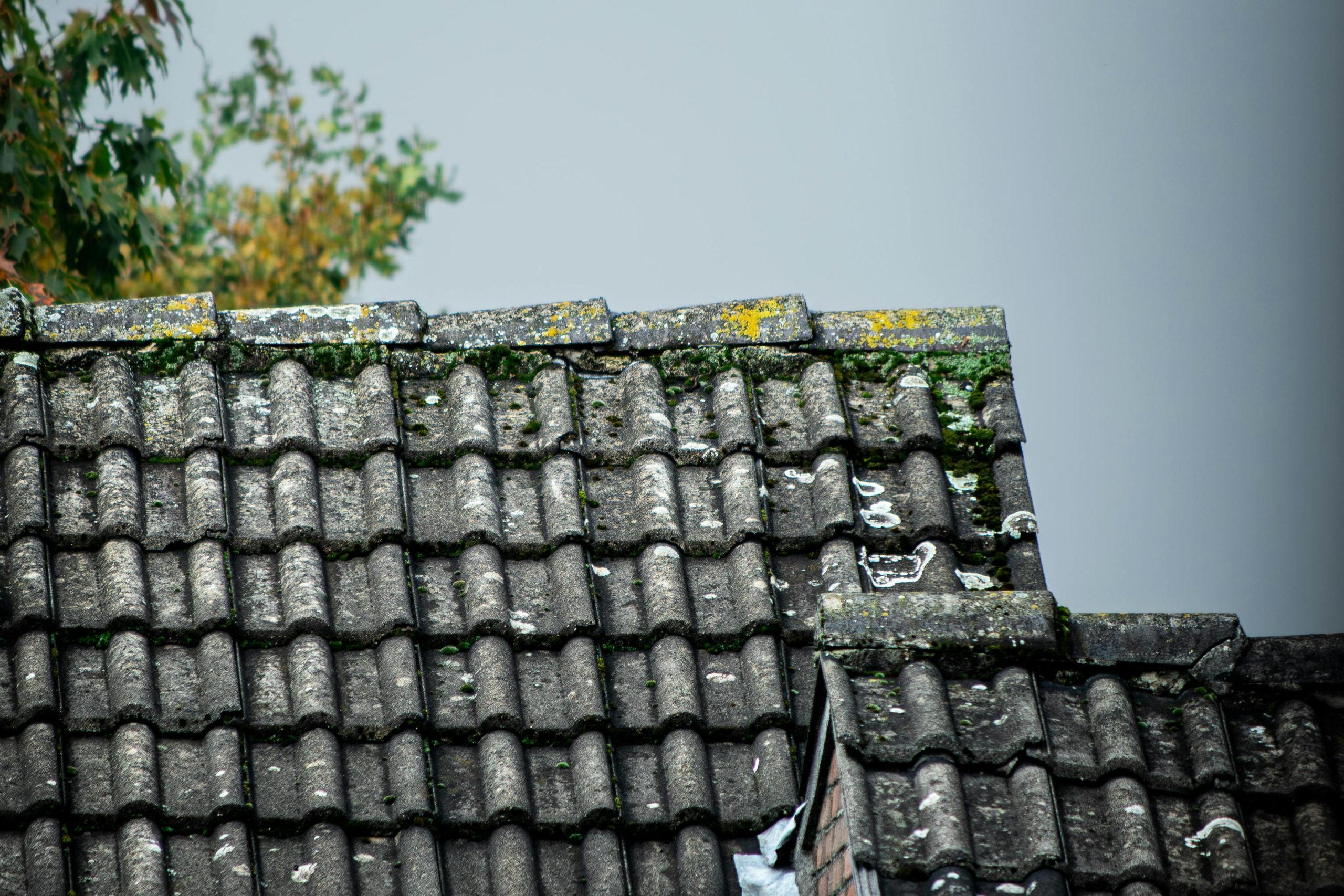
Spotted some green growth creeping across your roof tiles? That’s not surprising. Moss on roof tiles is one of the most common issues homeowners face across Brisbane and the Gold Coast. Some people ignore it for years. Others panic and blast it off with a high-pressure washer. Neither approach is ideal.
While yes, moss on roof tiles can be harmful, the extent depends on how long it’s been there, what type of tiles you have, and how it’s removed. Don’t make a call before you’ve read this guide.
Key Takeaways
- Moss and lichen trap moisture against your tiles, which accelerates deterioration over time
- Left untreated, it can lead to cracked tiles, blocked gutters, and water ingress
- Brisbane and Gold Coast’s humid climate makes roofs especially vulnerable
- High-pressure washing often makes things worse. Soft washing is the right approach
- Professional removal every few years protects your roof and extends its life
What’s the Difference Between Moss, Lichen, and Mould?
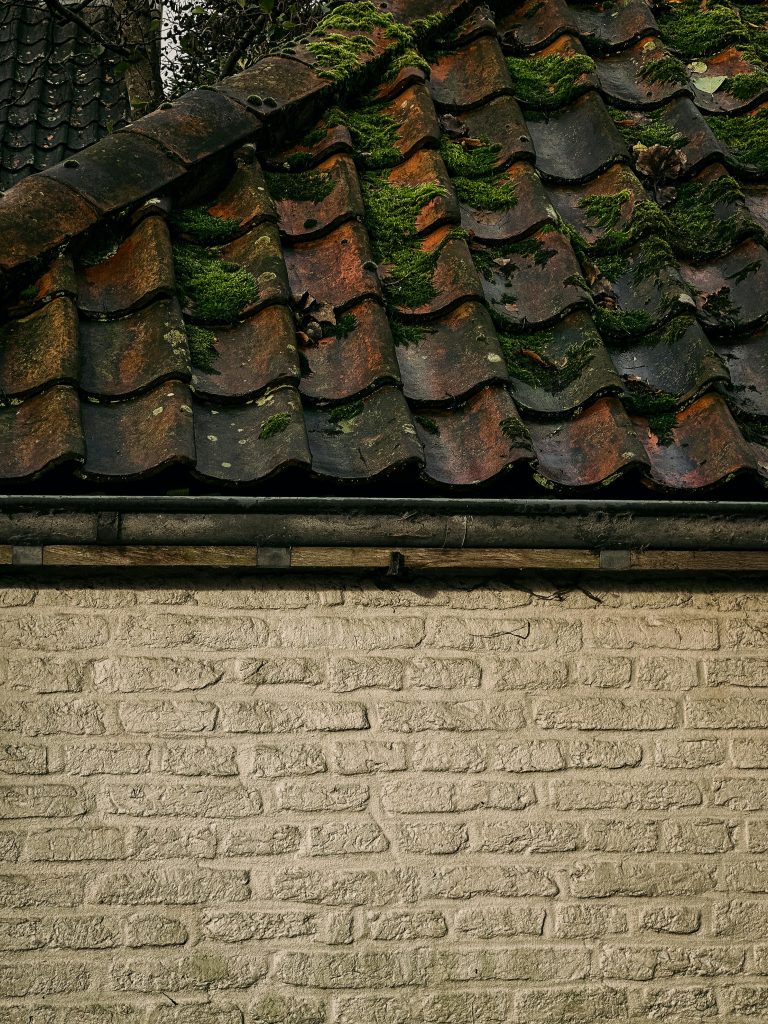
Moss is a small, non-vascular plant that grows in dense, soft clumps. It spreads via spores carried by wind and rain, settling into the rough, porous surface of concrete and terracotta tiles. Once it takes hold, it holds moisture and creates conditions for further growth.
Lichen is different, and often more stubborn. It’s a composite organism formed by fungi and algae living together, and it forms flat, crusty patches in shades of grey, green, or white. Lichen anchors itself to rough surfaces and thrives in moist, shaded environments. Unlike moss, it bonds much more tightly to the tile surface, making it harder to shift.
Mould is a fungal growth that tends to appear as dark streaking or discolouration. It’s typically a sign of persistent moisture retention and poor drainage.
All three love the same conditions: shade, humidity, organic debris, and poor airflow. If your roof ticks those boxes, you’re a prime candidate.
Is Moss on Roof Tiles a Problem?
A light dusting of moss on an otherwise sound roof won’t cause immediate structural failure. But left to spread unchecked? The damage compounds.
Here’s what moss and lichen do to your tiles over time:
- Moisture retention. Moss acts like a sponge. It absorbs water from rain and the environment, retaining moisture in both itself and the tiles it’s growing on. This prolonged dampness is the root of most moss-related damage.
- Tile surface degradation. Moss, lichen, and mould burrow into tiles and cause them to lose their protective coating, making them more porous and allowing moisture to seep deeper. On concrete tiles, this erodes the surface layer over time. On terracotta, it softens and weakens what is already a relatively fragile material.
- Cracking and lifting. Thick moss growth can physically lift tiles and cause some to crack or laminate as it establishes itself and expands.
- Blocked gutters. As moss breaks down and washes off, the debris collects in your gutters and downpipes. Moss runoff can clog gutters and downspouts, leading to water overflow and potential damage to the exterior of the home.
- Water ingress and leaks. Accumulated moss can cause water to back up under roof tiles, potentially leading to leaks and significant water damage inside the home.
Moss on roof tiles is a problem, but it’s a slow-moving one. The longer it’s left, the more expensive the fix.
Why Brisbane and Gold Coast Roofs Are Especially Vulnerable
If you’re in South East Queensland, your roof is fighting a tougher battle than most. Moss, mould, and lichen thrive in warm, damp conditions. A typical humid Brisbane summer is the ideal environment for this growth.
Add in overhanging trees, areas of shade, and the wet season delivering heavy, sustained rainfall, and you’ve got near-perfect conditions for rapid colonisation. Roofs on the shaded southern side or those surrounded by vegetation are particularly prone.
How to Prevent Moss From Taking Hold
Prevention is far cheaper than removal and repair. A few practical steps:
- Trim overhanging branches to improve sunlight exposure and airflow across the roof
- Keep gutters clear of leaves and debris. Blocked gutters mean standing water, which encourages growth
- Schedule regular roof inspections to catch early growth before it spreads
- Consider zinc or copper strips along the ridge line. These materials release ions when it rains, inhibiting the growth of lichen, moss, and algae.
How Moss on Roof Tiles Should Be Properly Removed
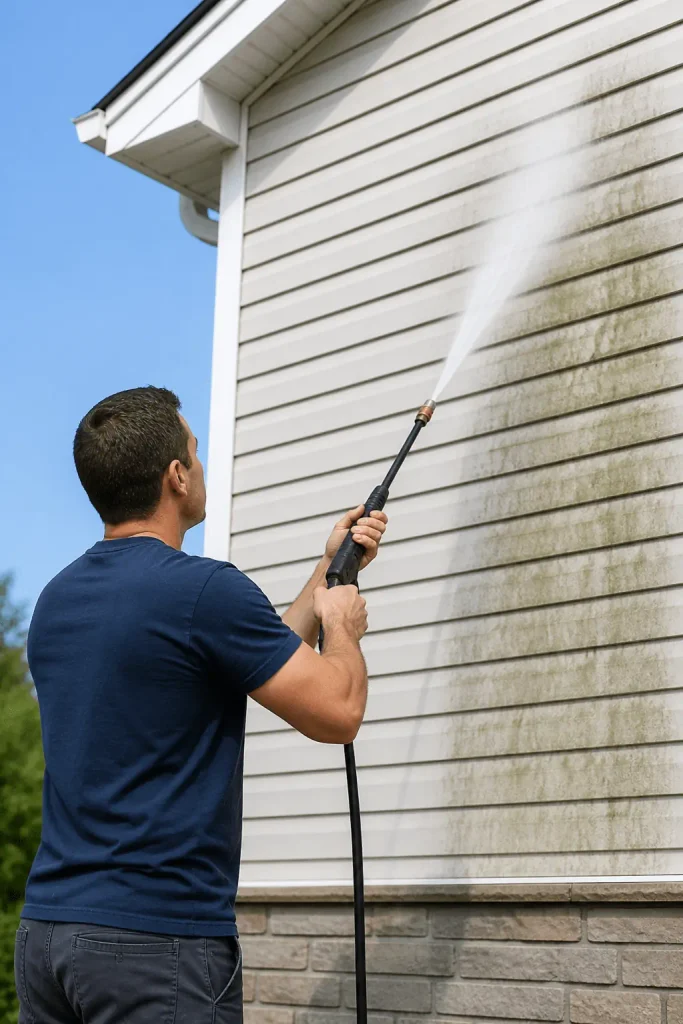
The instinct is to grab a high-pressure washer and blast the growth off. It looks satisfying, the roof appears clean immediately, and the job seems done. But using pressure alone to clean roof tiles often results in short-term visual improvement but poor long-term performance, and can strip protective coatings, crack older tiles, and force water under the surface.
The correct method is soft wash roof cleaning.
Soft washing is a chemical-based cleaning method that uses low-pressure application to remove organic contamination such as moss, lichen, algae, and mould. The cleaning solution is applied at controlled strength and allowed to dwell on the roof surface, breaking down biological growth at a cellular level before being gently rinsed away.
The key advantage is that it kills the organism rather than just scraping the surface. Pressure washing leaves spores behind. Soft washing kills contaminants at the root for a longer-lasting clean, whereas pressure washing can leave spores behind, leading to faster regrowth.
A professional soft wash treatment on your roof typically delivers clean results that last 1 to 3 years, depending on the amount of shade and tree coverage.
Get Your Roof Assessed by a Local Expert
If you’ve noticed moss on your roof tiles or it’s been a few years since your last clean, it’s worth getting a professional set of eyes on it before minor growth becomes a costly problem.
At Professional Pressure Wash Co, we use soft-wash methods specifically designed for Brisbane and Gold Coast roofs. Whether it’s a concrete tile home in the suburbs or a terracotta-roofed property near the coast, we match the right approach to your roof.
We also take care of soft wash house cleaning and can pressure wash solar panels safely if your panels have picked up grime or biological growth alongside your roof.
Give us a call or get in touch online for an obligation-free quote.